
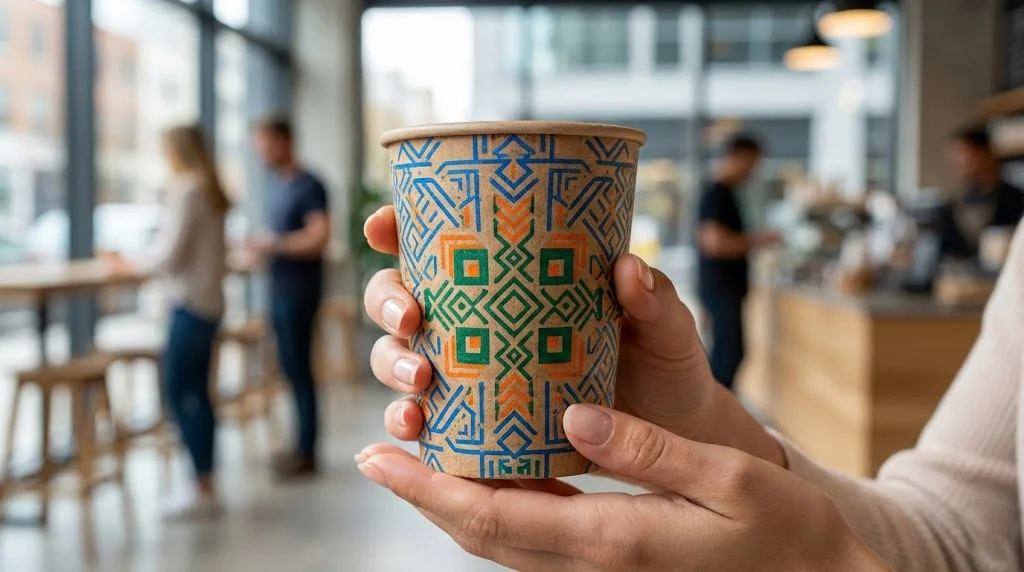
In the global race toward sustainability and environmental commitment, the packaging industry is undergoing an unprecedented structural transformation: “paperization”. Leading brands, from the food sector to luxury cosmetics, are massively replacing plastic polymers with cellulose-based substrates to reduce their ecological impact. However, what seems like a simple material change for the end consumer represents a complex chemical and operational engineering challenge for the printer. In this scenario, the advanced formulation of inks becomes the determining factor that directly impacts profitability and OEE (Overall Equipment Effectiveness) in the print shop.
At MA Inks, we understand that our mission is to be the technological partner that ensures this transition. Paperization is not just an aesthetic trend; it is a response to the need for a truly circular and safe economy, where the engineering of our inks acts as the engine that allows paper to achieve performance levels previously only possible with plastic.
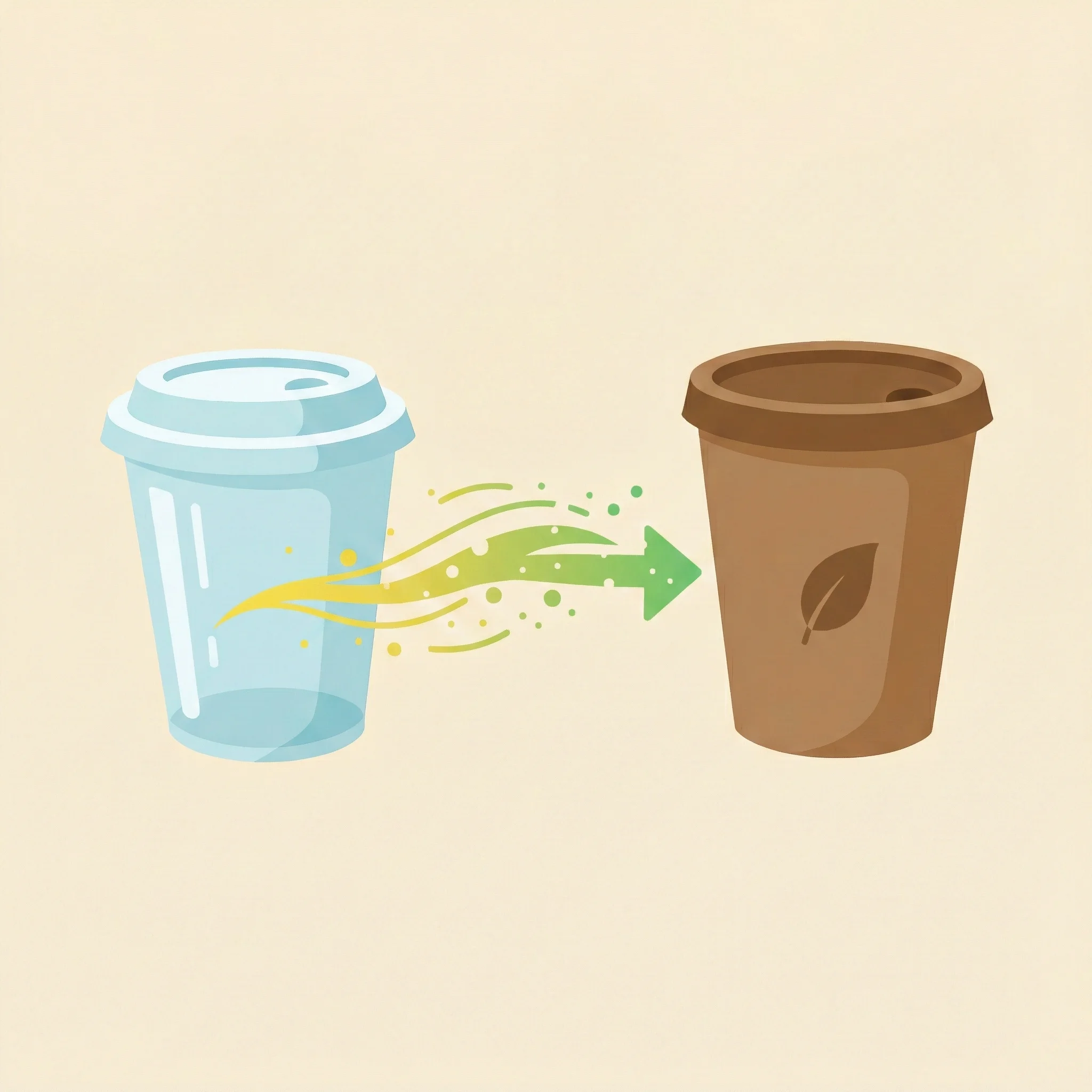
Historical context: A strategic and awareness-driven evolution
To understand the phenomenon of paperization, we must look back. In the 1950s, the packaging industry experienced its “golden age” thanks to plastic. The arrival of polyethylene and polypropylene revolutionized food preservation due to their light weight, extremely low cost, and absolute barrier capabilities. For decades, plastic was the gold standard of logistical efficiency.
However, the landscape began to gradually change over the last decade. The driving force behind this shift has been a combination of factors: on one hand, a strategic repositioning of brands to differentiate themselves in a saturated market, and on the other, a growing social awareness. Today’s consumer shows a much higher sensitivity toward waste, integrating sustainability as a silent yet constant factor in purchasing decisions. The most innovative companies quickly identified that sustainability was evolving from an added value into a requirement for competitiveness and corporate purpose.
The Directive (EU) 2019/904 (SUP), approved in 2019, acted as the framework that brought order and legal certainty to a process that was already gaining traction in procurement and packaging design departments. What we now call “paperization” is the culmination of this evolution in the business model: a leap forward that uses 21st-century cellulose supported by advanced coating chemistry to match the functionality of plastic without the limitations of its end-of-life.
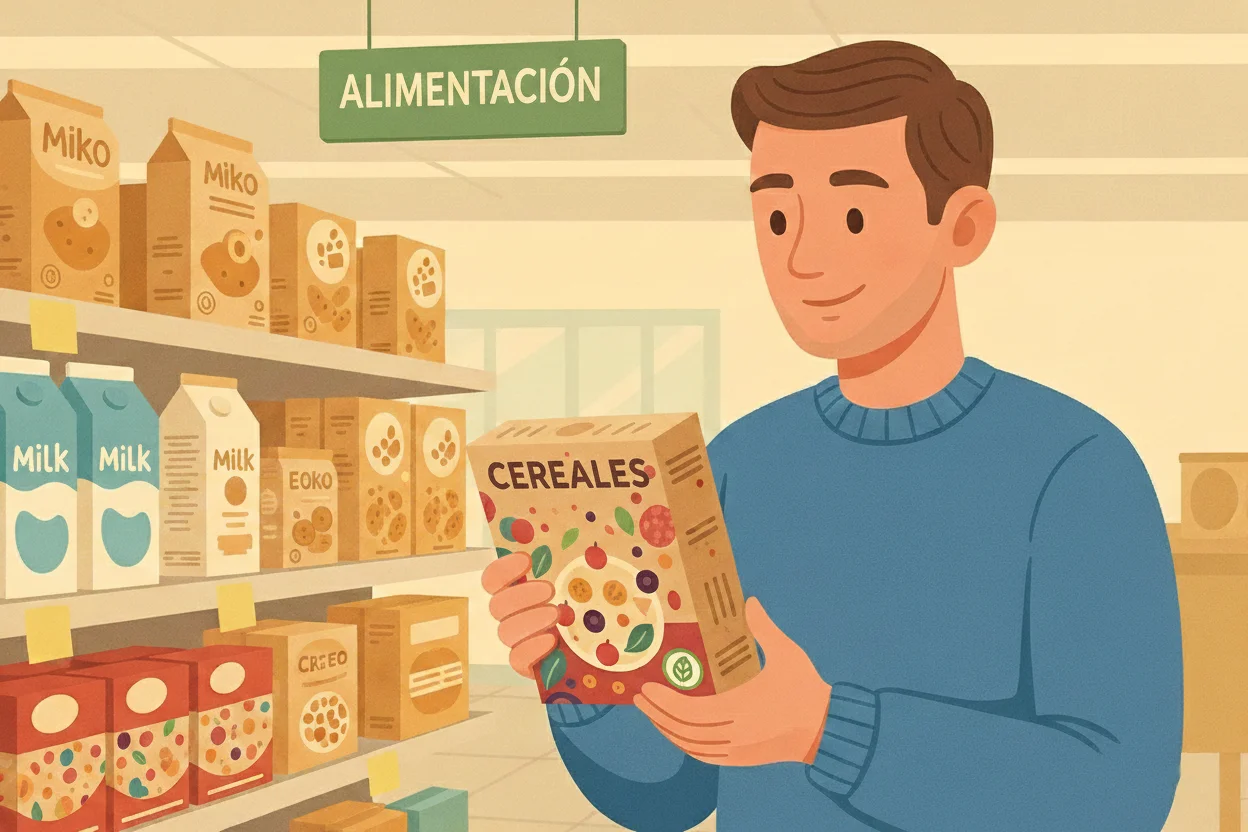
The permeability challenge: How to match plastic?
Paper and cardboard are the preferred alternatives due to their biodegradability and renewable origin. However, they present an inherent physical limitation: their porosity and hydrophilic nature. Unlike polymers, cellulose is permeable to fats, moisture, and gases.
In paperization, a strategic tension arises between the urgency to meet sustainable launch timelines and the technical need to ensure content protection. Critical barrier parameters—such as grease resistance or moisture permeability—determine whether a substrate is truly functional for each application. This transition is only viable if paper can technically behave like plastic through coating engineering based on barrier varnishes that seal its microscopic pores.
Safety Note: It is essential to highlight that, although these varnishes mechanically protect the substrate, they are not designed for direct contact with food or beverages. They must always be integrated into packaging structures that ensure food safety through compliance with indirect contact protocols.
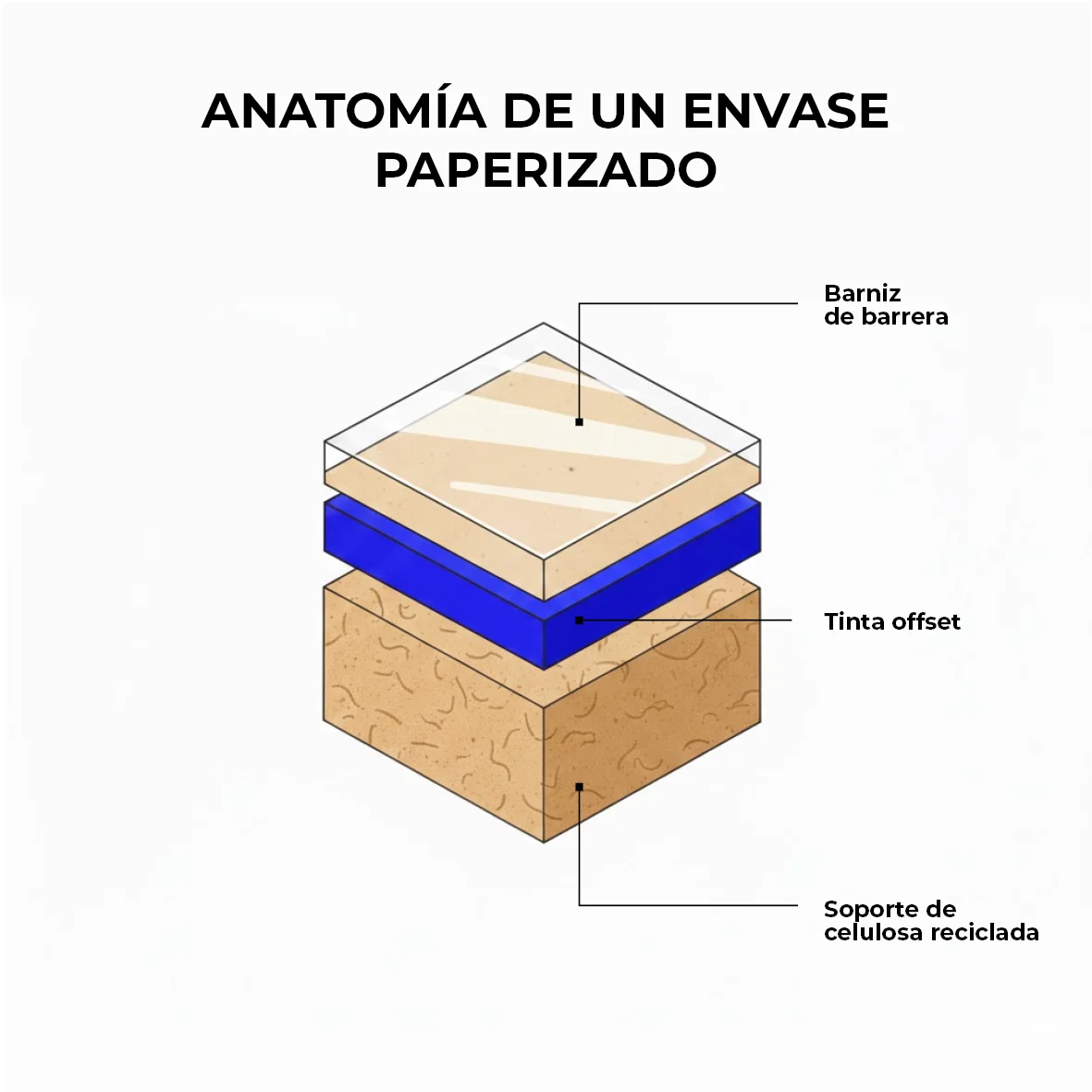
Barrier varnishes: A comprehensive technological approach
To compete with plastic, the industry has developed high-performance barrier varnishes that enable highly efficient in-line application (within the same printing process). These coatings create a microscopic film that protects the substrate without compromising its paper nature or its recyclability.
At MA Inks, we lead this transition through a proposal that prioritizes sustainability and chemical functionality, allowing packaging to move directly from the press to the converting stage:
- Water-based varnishes (Acrylic): Optimized to create high-density functional barriers against moisture and grease, ensuring packaging rigidity under demanding conditions.
- BIO Vegetable Varnishes: Formulations based on renewable resources that reinforce the biodegradable nature of packaging, eliminating mineral oils from the equation.
- High-performance UV varnishes: Instant-curing solutions that provide superior mechanical and chemical resistance, enabling high-gloss or matte finishes that emulate the aesthetics of plastic without its negative environmental impact.
The versatility of these solutions allows their implementation in both sheetfed offset systems and UV flexo for flexible packaging and labels. In both cases, the goal is to ensure conversion into a monomaterial package that facilitates deinking and subsequent recycling.

Ink Engineering: Formulation for the new era of paper
Ink is the element that gives identity and message to the substrate. In paperization, ink must not only deliver chromatic excellence but also be formulated for full compatibility with new barrier varnishes and recycled fiber substrates, which are typically more unstable and absorbent than virgin fiber.
Our offset inks are designed under a concept of technical specialization, focusing on performance pillars that exemplify our most advanced and market-demanded series:
- Deinkability and Circular Economy: Deinkability is the technical ability to separate pigments from cellulose fibers during the recycling process. Our BIO CF series, formulated with vegetable oils, has achieved a score of 99/100 in the deinkability test (INGEDE Method 11), ensuring that recycled paper maintains whiteness and purity equivalent to virgin fiber.
- Versatility and Rheological Stability: Recycled paper substrates are often more demanding. Series such as PREMIUM AS adapt to a wide range of substrates without losing viscosity stability, minimizing cleaning stops and maintaining optimal OEE.
- Substance Control (MOSH/MOAH): The absence of mineral oils is the foundation of our formulation. By eliminating these hydrocarbons, we ensure that paper packaging remains clean and safe, anticipating regulatory requirements.
Cutting-edge instant drying: UV and LED technology
When the production process does not allow waiting times, radiation curing technology is the definitive solution. In these systems, ink polymerizes instantly when passing under lamps, allowing the material to move directly from the press to finishing processes, eliminating traditional drying times. Within our range of solutions:
- UV Premium Speed: Specifically developed for offset printing on paper and cardboard, it enables maximum operating speeds with excellent lithographic properties, ensuring superior gloss and high color intensity.
- UV ECO LED PRO: Our Low Energy curing series for LED/LE-UV systems. It enables fast curing with minimal energy consumption while maintaining high gloss and intensity even at high speeds.
- UV LED CURETECH: Designed for paper and cardboard, it stands out for its stability and reliability in LED, HR, and H-UV systems. It is the ideal option for achieving high-quality finishes on absorbent and pretreated synthetic substrates.
Chromatic Excellence and Delta E consistency
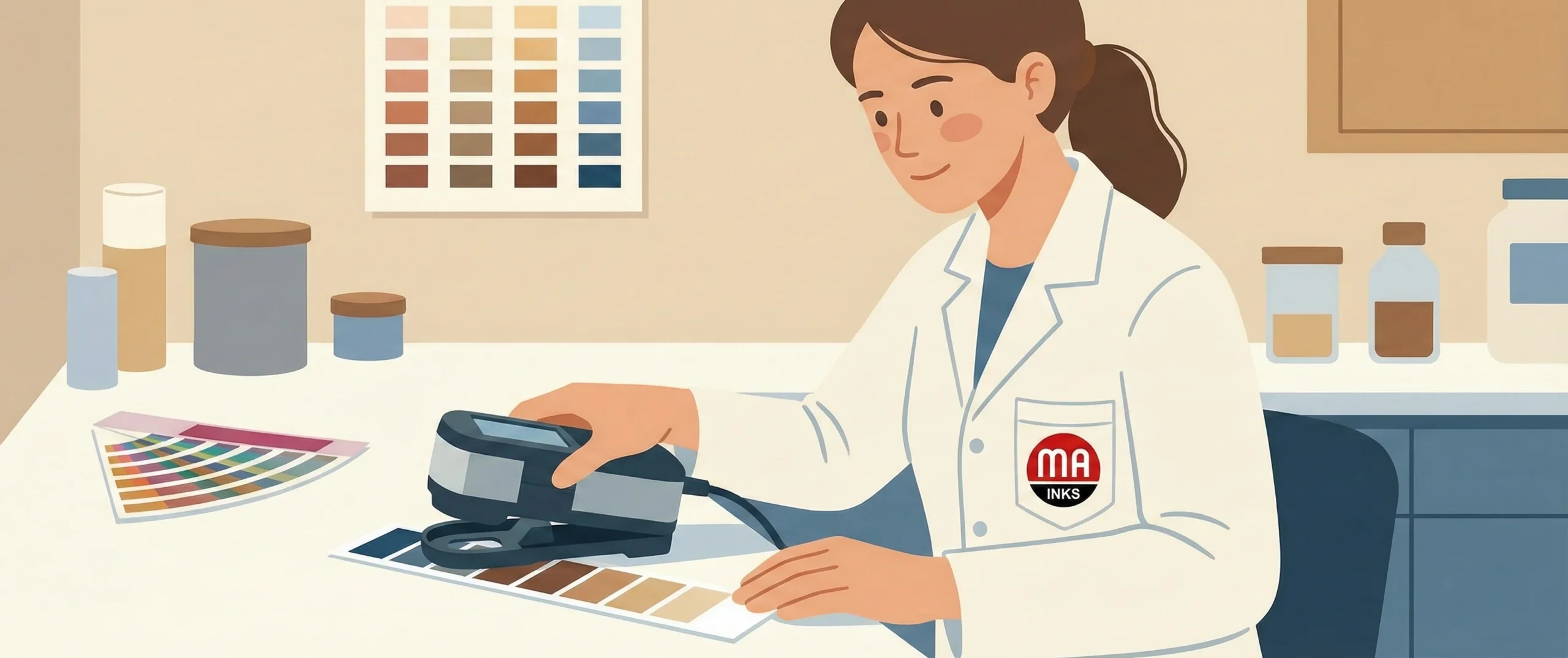
Paper absorbs more ink than plastic, which often leads to a loss of gloss and saturation (the “color sink-in” effect). For MA Inks, color is a non-negotiable strategic brand asset; any significant deviation in Delta E may result in the rejection of an entire production run.
Our inks, both conventional and UV, are formulated to keep pigment on the surface through precise chemical anchoring. This ensures that the brand’s visual identity remains identical on cardboard as it was on plastic, keeping Delta E under control and drastically reducing substrate waste during press setup.
Conclusion: The circular future is printed on paper
Paperization is not just a change of substrate; it is a redesign of packaging architecture where surface chemistry provides the functionality demanded by the global market. The success of this transition lies in balancing environmental respect, food safety, and visual excellence.
MA Inks provides the engineering needed to lead this change with confidence. The packaging of the future is paper, and its technical viability depends on the technology that protects it.
Have your printing projects noticed the impact of the shift from plastic to paper?
If you have any questions about implementing effective barrier solutions or ensuring chromatic stability on new sustainable substrates, the MA Inks technical team is at your disposal. We invite you to get in touch with our experts to discover how to optimize every stage of production and ensure the success of your transition toward the circular economy.